Touring the “Napa Valley of Oysters”
Day Trips and Weekend Excursions on the NC Oyster Trail
The NC Oyster Trail features more than 90 sites statewide, stretching from the beaches of Cape Hatteras to the mountains of Cashiers.
North Carolina’s expansive estuaries and winding brackish creeks have created a success story for the Eastern Oyster. These waters support wild reefs and over 300 aquaculture operations. Growers work with these natural systems to cultivate oysters in ways that enhance flavor, ecosystem health, and coastal communities.
From the deep waters of the Pamlico Sound to the shallow intertidal fringes of salt marsh, variations in salinity, temperature, and nutrients shape the texture and taste of each oyster, a concept called “merroir.” According to the North Carolina Strategic Plan for Shellfish Mariculture, the many variations in flavor have brought the state its well-earned nickname as the “Napa Valley of Oysters.”
Visitors and locals alike have a statewide opportunity to experience the incredible diversity of North Carolina oysters. The NC Oyster Trail features more than 90 sites across the state, stretching from the beaches of Cape Hatteras to the mountains of Cashiers. It connects working oyster farms, seafood markets, restaurants, and more, all by a shared commitment to sustainable aquaculture and coastal stewardship. Both an educational and culinary journey, the trail celebrates how oysters move from the estuary to our plates.
Along the coast, growers sustainably farm oysters year-round. Oyster farming (or “aquaculture”) enhances local ecosystems by improving water clarity and creating habitat for fish and invertebrates. By supporting farm-raised oysters, consumers also help reduce pressure on wild reefs, while still enjoying all the benefits of local oysters.
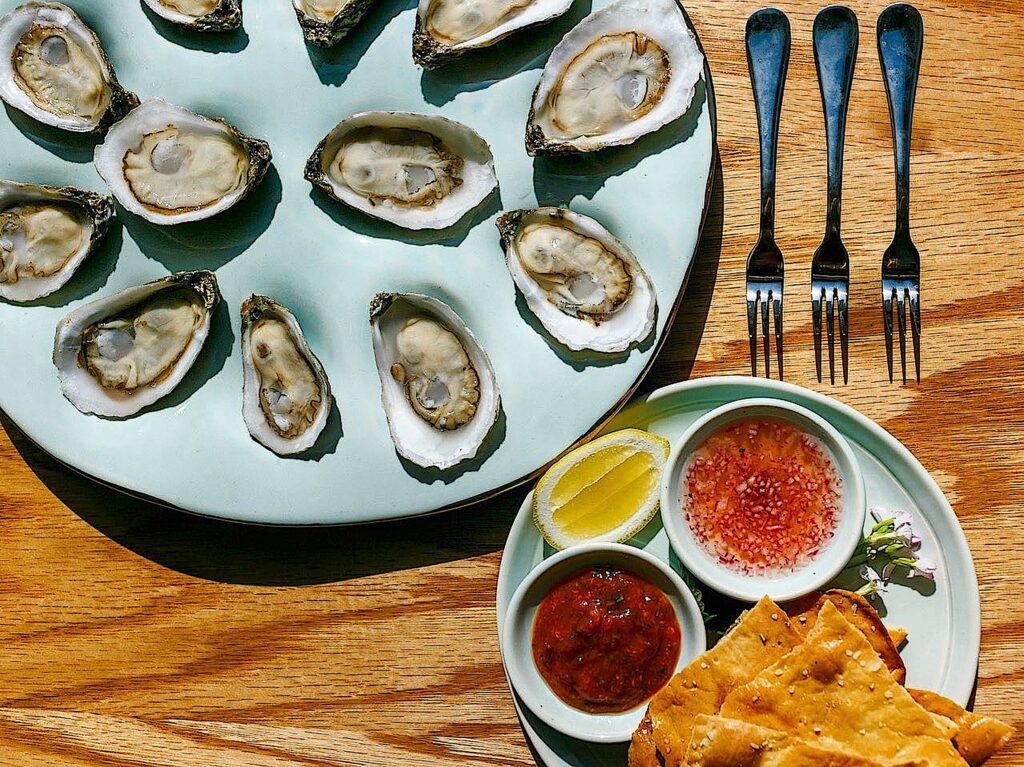
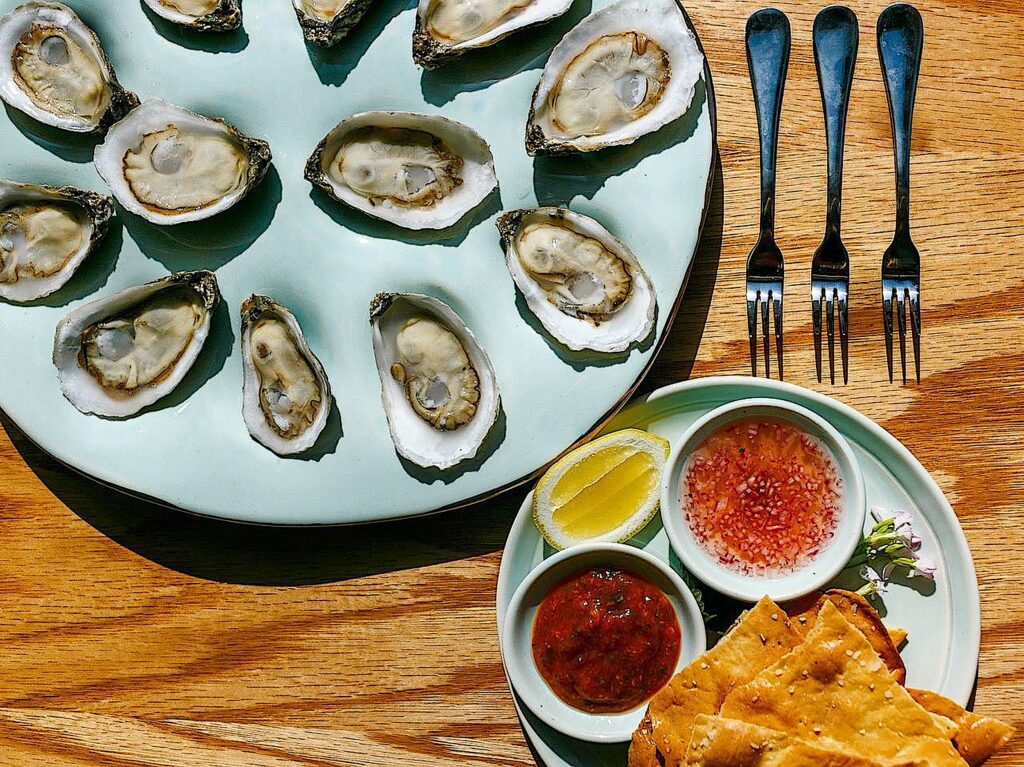
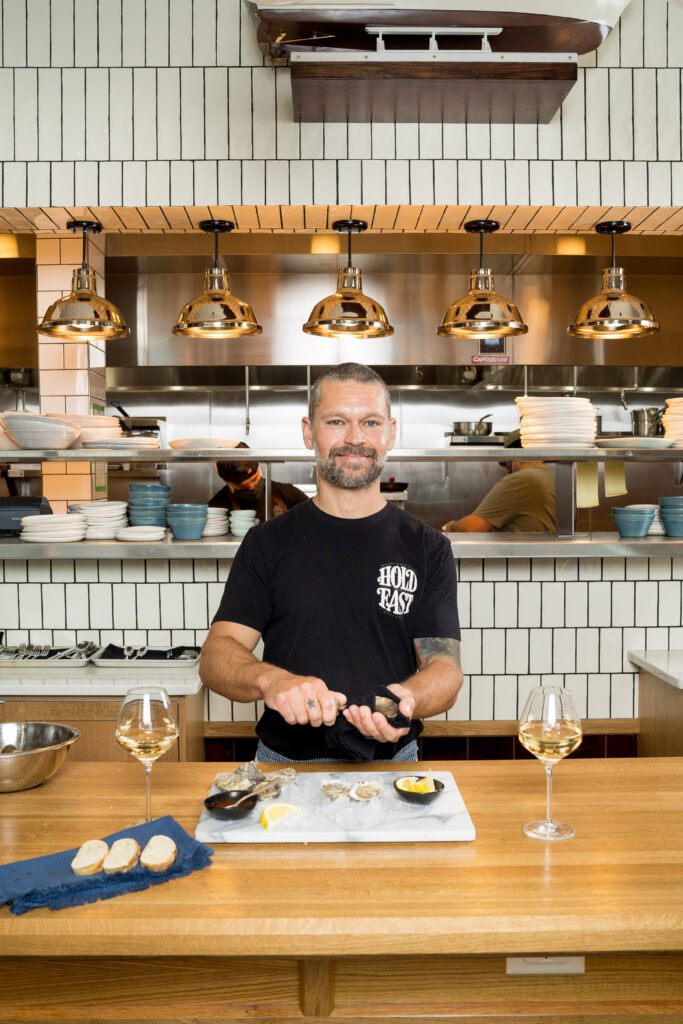
Restaurant partners throughout the state showcase the versatility of cultivated oysters: charbroiled, served raw on the half shell with mignonette, or creatively reimagined in seasonal dishes. For those who want to create their own oyster dinner, featured seafood markets offer expert guidance on selecting varieties suited to different preferences for flavor and preparation.
The NC Oyster Trail also features farm tours that provide interactive experiences, showcasing the different techniques that produce each harvest, and even offering opportunities to eat oysters straight from the source.
To fully appreciate the diversity of local oysters, the NC Oyster Trail offers the chance to explore three distinct coastal regions, each worth a dedicated day trip or even an entire weekend excursion. By moving north to south (or vice versa), trail-goers can trace subtle changes in landscape, ecology, and culinary interpretation.
Below is a three-part itinerary designed to immerse enthusiasts year-round in the science and flavor of North Carolina oysters.

Southern Coast
Seabird Restaurant
Wilmington
Begin your NC Oyster Trail itinerary in Wilmington with brunch at Seabird Restaurant. Here, oysters and shellfish are thoughtfully harvested by local, small-scale fishers and growers, who anchor a rotating menu shaped by fresh, seasonal ingredients.
Each dish reflects the surrounding environment, while advancing the conversation around responsible fishing, aquaculture, and sustainable farming. As such, Seabird provides an insightful introduction to both North Carolina oysters and the communities that cultivate them.
Coastal Eco Adventures
Wrightsville Beach
After brunch, head toward the water for an immersive look at the science behind your plate. Coastal Eco Adventures partners with working watermen and women to offer hands-on tours of oyster farms in New Hanover and Pender counties.
Guided by an all-women crew, these excursions focus on the cultural and economic history of oyster harvesting in North Carolina, while highlighting the modern science of aquaculture. Guests begin at the Three Little Spats oyster seed nursery, where they learn about the basics of oyster biology and mariculture before heading to an active farm to observe growing techniques and harvesting practices in action.
Along the way, you’ll boat through a range of estuarine habitats, from tidal marshes to shifting barrier island dunes. The experience culminates in shucking and tasting oysters straight from the source, allowing visitors to connect the ecology of the estuary directly to the flavors on the half shell.
N.SEA Oyster Co.
Hampstead
Round out your excursion on North Carolina’s southern coast at nationally recognized N.SEA Oyster Co. As one of our most popular sites along the NC Oyster Trail, N. SEA is a must-stop on any oyster journey.
N.SEA is dedicated to raising craft-sustainable shellfish that embody the taste of North Carolina, while highlighting the environmental and economic benefits of oyster aquaculture. Enjoy N.SEA’s famous Topsail Dukes, or, when in season, the green-gilled Divine Pines (my personal favorite).
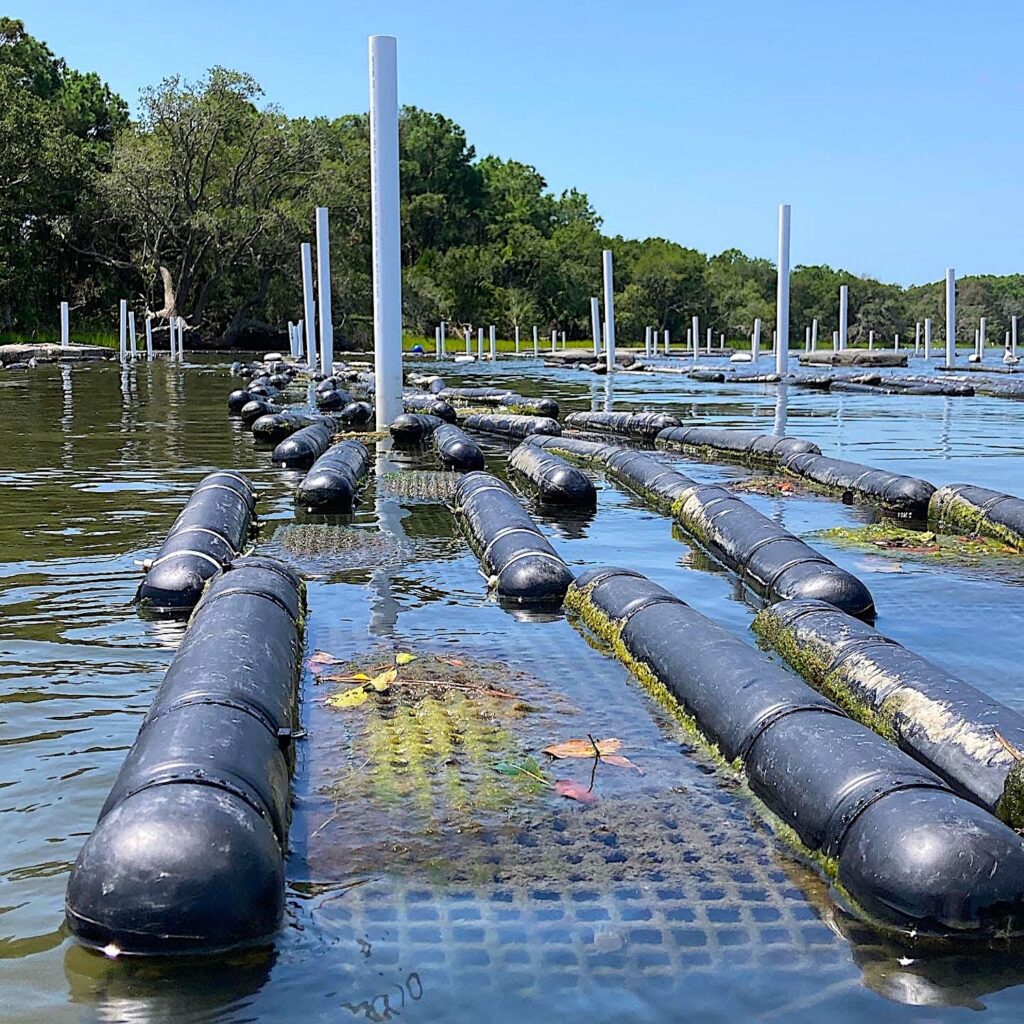
N.SEA also hosts a “Shuck n’ Chill” on Fridays and Saturdays, where you can bask in the divine pines that surround their Oyster Barn. This is a tide-to-table, picnic-style experience where you can prepare fresh oysters your way — roasted on provided grills or raw on the half-shell — with no shortage of accouterments, from local craft beers to caviar.
And there’s no shucking experience necessary. They provide a shucking lesson and all the tools you need.
Central Coast
Science by the Sea
Beaufort
Begin your morning in Beaufort at Science by the Sea with a private guided boat tour through the Rachel Carson Reserve. As you cruise through the tidal creeks of the Reserve, the surrounding mosaic of barrier islands and marshes reveals itself as critical habitat for oysters and countless other estuarine species.
Guides on the tour highlight research from nearby marine laboratories and explain the Reserve’s rich ecological history, showing how protected coastal landscapes support biodiversity and safeguard vital habitats.
Down East Mariculture Supply Co.
Smyrna
In the afternoon, head east towards Smyrna to visit Down East Mariculture Supply Co., where many farmed oysters begin the journey to your table.
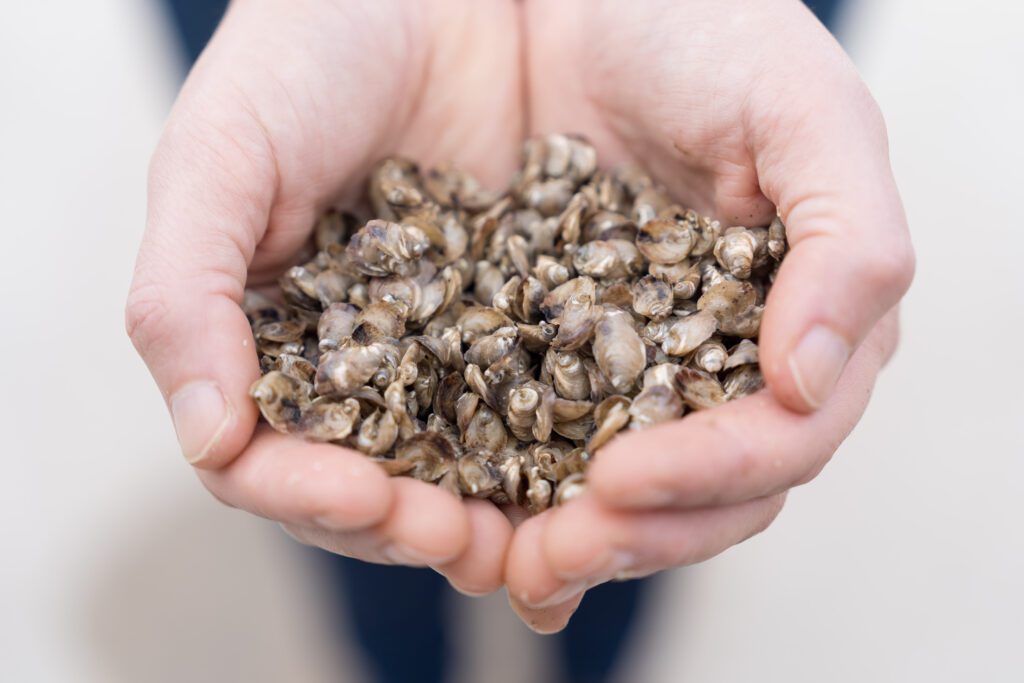
From April through October, tours of the hatchery offer a rare glimpse into the developmental stages of the shellfish’s lifecycle and the precise environmental conditions required for their survival. Visitors will learn about the early stages of aquaculture, long before oysters are placed in open water.
If you’d like to see the future of these baby oysters (“spat”), optional kayak tours through Jarrett Bay’s marsh-lined creeks allow paddling past active farms, tracing the progression from spat to the harvest-ready shellfish destined for farms and then restaurants and retailers across the state.
Ocracoke Oyster Company
Ocracoke
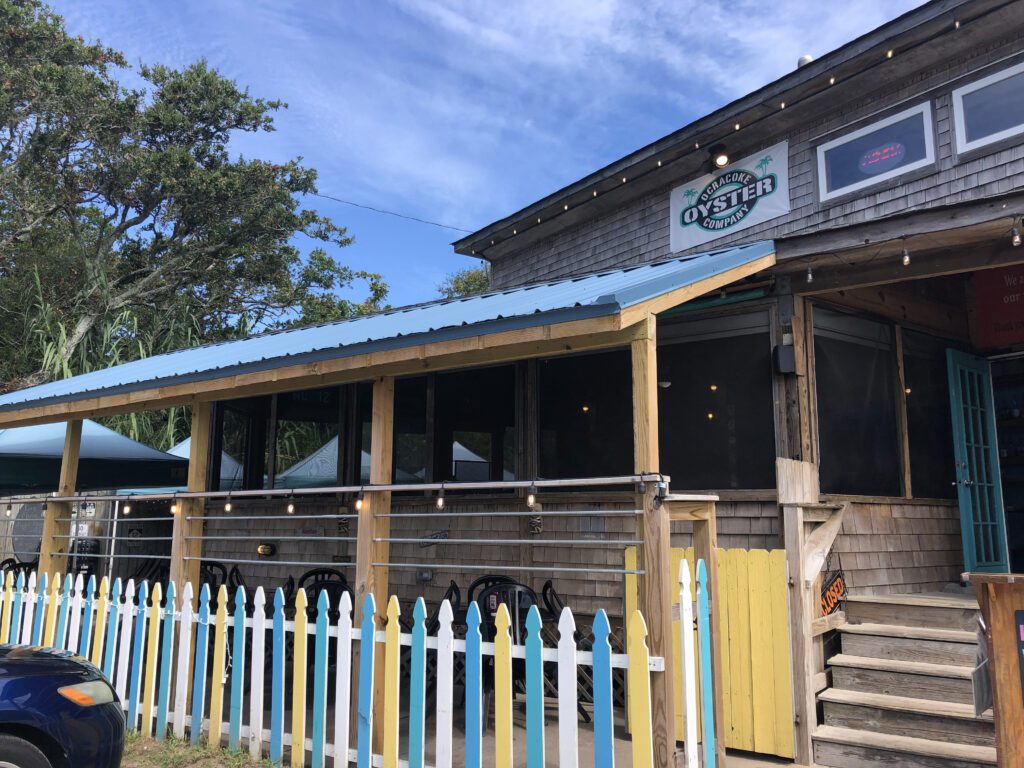
If you’d like to extend your NC Oyster Trail day trip into a weekend experience, continue “down east” to Cedar Island and board the ferry to Ocracoke Island. Grab lunch or dinner at Ocracoke Oyster Company, where they offer a wide selection of North Carolina oysters, served any way you’d like.
After a weekend spent learning about oyster aquaculture and coastal ecology, you can put your knowledge of merroir to the test and taste the subtle variations shaped by the unique environmental conditions of each farm.
You can also pair your newfound shellfish trivia with a locally brewed oyster stout beer on draft.
Northern Coast
Outer Banks Adventures
Nags Head
See where centuries of coastal heritage culminate as you move along the Outer Banks. In the soundside waters of Manteo, you can choose among many options for exploring the rich history and ecology of these barrier islands.
Outer Banks Adventures is home to North Carolina’s “Best Airboat Adventure,” where guides skim visitors across tidal creeks and waterways that support both oyster farms and wild reefs. This may be the most exhilarating way to learn about the ecological role of oysters in their natural habitat.
If you’d rather take your lesson on the slower side, they also offer stand-up paddleboard rentals for you to enjoy the waterways at your leisure.
NC Aquarium on Roanoke Island
Manteo
After a morning on the water, continue your exploration at the NC Aquarium on Roanoke Island. Through interactive exhibits, live demonstrations, and educational programming, the aquarium connects visitors to the intricate relationship between humans and shellfish.
Their new exhibit, “Fish, Filter, Food: The Human-Oyster Connection,” highlights how oysters sustain coastal ecosystems while also supporting working waterfront economies. Museum-goers will leave with an appreciation of oysters’ role as keystone species that form the foundation of both coastal ecosystems and cultural identity.
Dune Street Raw Bar & Grill
Nags Head
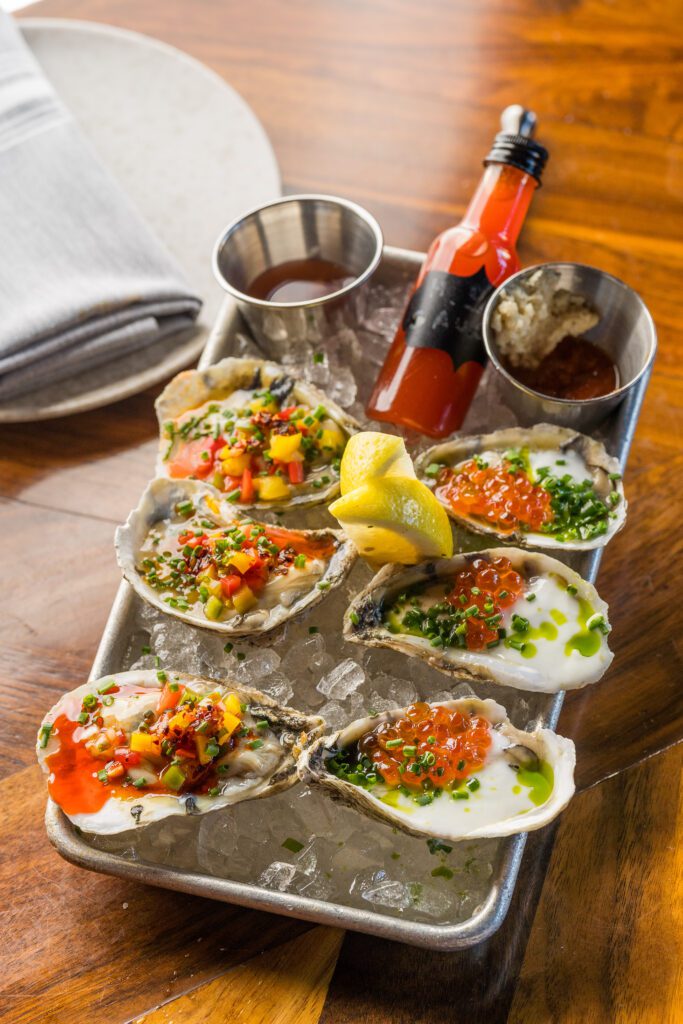
Cap your northern coast excursion at Dune Street Raw Bar & Grill, a lively culinary destination that celebrates the bounty of the Outer Banks. Working closely with local watermen and waterwomen, the restaurant showcases oysters selected for their distinctive flavor profiles and freshness. You can taste the ecosystem you explored earlier on the sound with Outer Banks Adventures.
Exploring the NC Oyster Trail is a journey through the ecosystems, communities, and science that make North Carolina’s coast famous for its aquaculture. From the southern coast to the northern Outer Banks, each region offers a unique glimpse into the different ways we grow and appreciate oysters.
Whether you’re tasting oysters straight from the farm, learning about estuarine ecology on a guided boat tour, or sampling different oyster dishes and varieties, the NC Oyster Trail invites you to engage with the coast in a way that is both delicious and informative. This itinerary offers a small sample of the many different ways you can enjoy the 90-plus sites the Trail features.
Check out our map to chart your own adventure and let each oyster tell the story of North Carolina’s remarkable oyster industry and working waterfronts.
North Carolina Sea Grant and North Carolina Coastal Federation, in partnership with the North Carolina Shellfish Growers Association, administer the NC Oyster Trail.
l
Savannah Paliotti is the mariculture communications intern at North Carolina Sea Grant. She holds an M.S. in marine, earth, and atmospheric sciences from NC State University.